
How Bed Bugs Spread
If you're concerned about how bed bugs spread, local service providers can help eliminate these pests and prevent their further infestation through effective fumigation.
Understanding how bed bugs spread is essential for property owners seeking effective ways to prevent and address infestations. These pests can hitch a ride on luggage, clothing, furniture, or even used items, making it easy for them to move between locations. Recognizing common pathways of spread helps in taking practical steps to minimize risks, especially for those who manage multi-unit buildings, hotels, or homes in busy areas. Local contractors who specialize in bedbug fumigation are well-versed in the behaviors of these pests and can provide targeted treatments to eliminate them and prevent further spread.
For property owners concerned about bed bug movement, knowing how these insects travel can inform better prevention strategies. Whether it’s safeguarding a rental property or maintaining a pest-free home, understanding the typical ways bed bugs spread highlights the importance of professional intervention. Local service providers experienced in bedbug fumigation can assess the situation, identify potential sources of infestation, and deliver solutions that help break the cycle of spread. Exploring this topic equips property owners with practical knowledge to protect their spaces effectively.
- Bedbug Fumigation - needed when bed bugs are suspected to have spread through infested items or furniture, and local contractors use targeted treatments to eliminate them.
- Infestation Assessment - required when there is uncertainty about how bed bugs have spread, with service providers inspecting common hiding spots to determine the source.
- Preventative Fumigation - recommended after discovering bed bugs, to stop further spreading via belongings, clothing, or shared spaces, with pros applying preventative measures.
- Multi-Unit Fumigation - necessary in apartment buildings or hotels where bed bugs may have spread between units, with local contractors coordinating comprehensive treatments.
- Clutter Removal and Treatment - advised when clutter has contributed to bed bugs spreading, with service providers clearing and treating affected areas to prevent re-infestation.


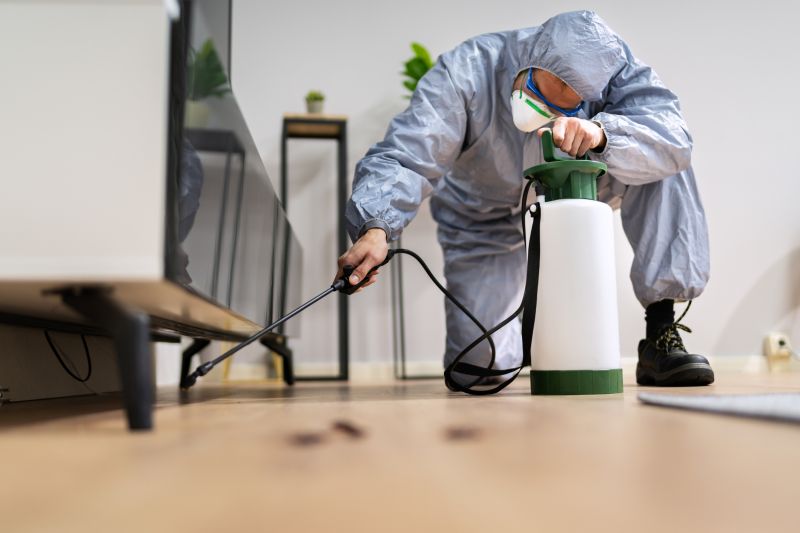
When people search for how bed bugs spread, they are typically trying to understand how these tiny pests move from one place to another. This knowledge helps homeowners identify potential sources of infestation and take steps to prevent their homes from becoming affected. Often, the concern revolves around how bed bugs travel between rooms, apartments, or even different properties. Understanding their movement patterns can be key to controlling an outbreak early and avoiding widespread infestations that are difficult and costly to eliminate.
The topic of how bed bugs spread is closely related to problems such as ongoing infestations, repeated re-infestations after treatment, and the need for strategic prevention plans. Homeowners facing persistent bed bug issues often want to know how these pests are entering their living spaces so they can implement effective measures. It also ties into planning property management strategies, especially in multi-unit buildings like apartment complexes or hotels, where infestations can rapidly spread if not contained. Local service providers specializing in bedbug fumigation can assist with both treatment and advice on preventing further spread, ensuring that infestations are addressed thoroughly.
Certain property types are more commonly associated with bed bug spread due to their high levels of human activity or shared spaces. Apartments, condos, and multi-family residential buildings tend to be more vulnerable because of the close proximity of units. Hotels, motels, and other lodging facilities also face a higher risk, as they accommodate many guests who may unknowingly bring pests from elsewhere. Additionally, dormitories, shelters, and other communal living environments can facilitate the quick spread of bed bugs. For homeowners or property managers dealing with these types of properties, understanding how bed bugs spread is essential for developing effective prevention and treatment plans, often with the help of local pest control specialists.
Understanding the ways bed bugs spread helps homeowners see how infestations can develop and what actions are necessary to stop them. Common routes include travel via luggage, clothing, used furniture, or shared bedding. They can also spread through contact with infested items or by moving between units in multi-family buildings. Local pros who handle bedbug fumigation are experienced in pinpointing these pathways and can provide targeted treatments to eliminate pests and reduce the risk of future spread. Recognizing how bed bugs travel makes it easier to coordinate effective control measures, especially in properties with multiple tenants or frequent visitors.
Pest Inspection Services - professionals who identify the common ways bed bugs spread, such as through luggage or furniture, helping prevent infestations before they start.
Furniture Removal and Disposal - local contractors experienced in safely removing infested items to stop bed bugs from spreading to new areas.
Clutter Reduction Projects - projects that involve organizing and decluttering spaces, which can limit hiding spots and reduce the risk of bed bug spread.
Infestation Treatment Planning - specialists who develop strategies based on how bed bugs transfer between rooms and belongings.
Post-Treatment Inspection Services - providers who ensure bed bugs are eliminated and have not spread to other parts of a property after fumigation.
Moving and Relocation Assistance - services that help safely transport belongings to prevent bed bugs from spreading during moves.

When comparing local contractors for bedbug fumigation services, it’s important to consider their experience with similar projects. Homeowners should look for service providers who have a proven track record in handling bedbug infestations, particularly those involving extensive spread or complicated situations. A contractor’s familiarity with how bed bugs spread and their knowledge of effective treatment methods can contribute to a more thorough and successful eradication process. Asking for details about their past work on similar cases can help ensure that the chosen professional has the relevant experience to address specific concerns.
Clear written expectations are essential when selecting a service provider for bedbug fumigation. Homeowners should seek out contractors who provide detailed descriptions of the services offered, including preparation steps, treatment procedures, and post-treatment recommendations. Having a written outline helps establish a mutual understanding of what the process entails, reducing the chance of misunderstandings. It also allows homeowners to evaluate whether the scope of services aligns with their needs and provides a basis for assessing the professionalism of the contractor.
Reputable references and effective communication are key factors in choosing the right local contractor. Pros who can provide references from previous clients give homeowners confidence in their reliability and quality of work. Good communication throughout the process-such as prompt responses to questions and clear explanations of treatment options-can make the experience less stressful and more transparent. By prioritizing contractors who demonstrate professionalism, transparency, and responsiveness, homeowners can feel more assured that their concerns about how bed bugs spread are being addressed with expertise and care.
Property owners often search for how bed bugs spread when they are planning practical projects around their homes and businesses. Local pros provide Bedbug Fumigation services for everyday jobs and straightforward project options.


Understanding how bed bugs spread is important for property owners who want to prevent infestations. These pests can hitch a ride on personal belongings such as luggage, clothing, or furniture, often moving between homes, hotels, or shared living spaces. Everyday activities like visiting friends, staying in accommodations, or purchasing secondhand items can inadvertently introduce bed bugs into a property. Recognizing common ways these pests spread helps property owners identify potential risks early and seek professional bedbug fumigation services from local contractors to address any issues effectively.
Many factors in daily life can contribute to the spread of bed bugs within a community. Items like used mattresses, furniture, or clothing can carry bed bugs if not properly inspected or treated. Travel is another common route, especially if staying in infested hotels or accommodations. Property owners who notice signs of bed bugs are encouraged to consider professional fumigation services from local service providers. These experts can assess the situation, provide targeted treatments, and help prevent further spread, ensuring a safer and more comfortable environment.
How do bed bugs typically spread between rooms or units? Bed bugs often spread through shared walls, hallways, or by hitchhiking on personal belongings like clothing, luggage, or furniture, making it easy for them to move from one area to another.
Can bed bugs spread through clothing or luggage? Yes, bed bugs can cling to clothing, luggage, and other personal items, allowing them to be transported from infested areas to new locations, especially when traveling or moving.
Are bed bugs able to spread via furniture or bedding? Bed bugs can crawl onto furniture, bedding, or clothing, and if these items are moved or shared, they can facilitate the spread of infestations to different parts of a home or building.
What role do visitors or guests play in spreading bed bugs? Visitors or guests can unknowingly bring bed bugs into a home by carrying them on their clothing or belongings, especially after visiting infested places like hotels or public transportation.
How can professional fumigation help prevent the spread of bed bugs? Local service providers can identify and treat infested areas effectively, helping to stop the spread of bed bugs and prevent new infestations in nearby units or homes.
Understanding how bed bugs spread helps property owners identify common routes of infestation, such as luggage or clothing transfer, enabling targeted prevention strategies with local contractors.
Monitoring high-traffic areas allows owners to spot early signs of bed bug movement, making it easier for local pros to implement effective treatment plans.
Managing furniture and belongings is essential to prevent bed bugs from hitchhiking between rooms or properties, and local service providers can assist with safe removal or treatment.
Controlling entry points like cracks or gaps can reduce bed bug movement, and local contractors can help seal these areas to limit spreading within a property.
If you are thinking about how bed bugs spread for a property, this guide is meant to help you understand this topic, the typical project types, and how different options might fit your plans.
When you are ready, you can use the quote form on this page to share a few details about your project. From there, local pros can review the basics and follow up with options that match what you have in mind.